

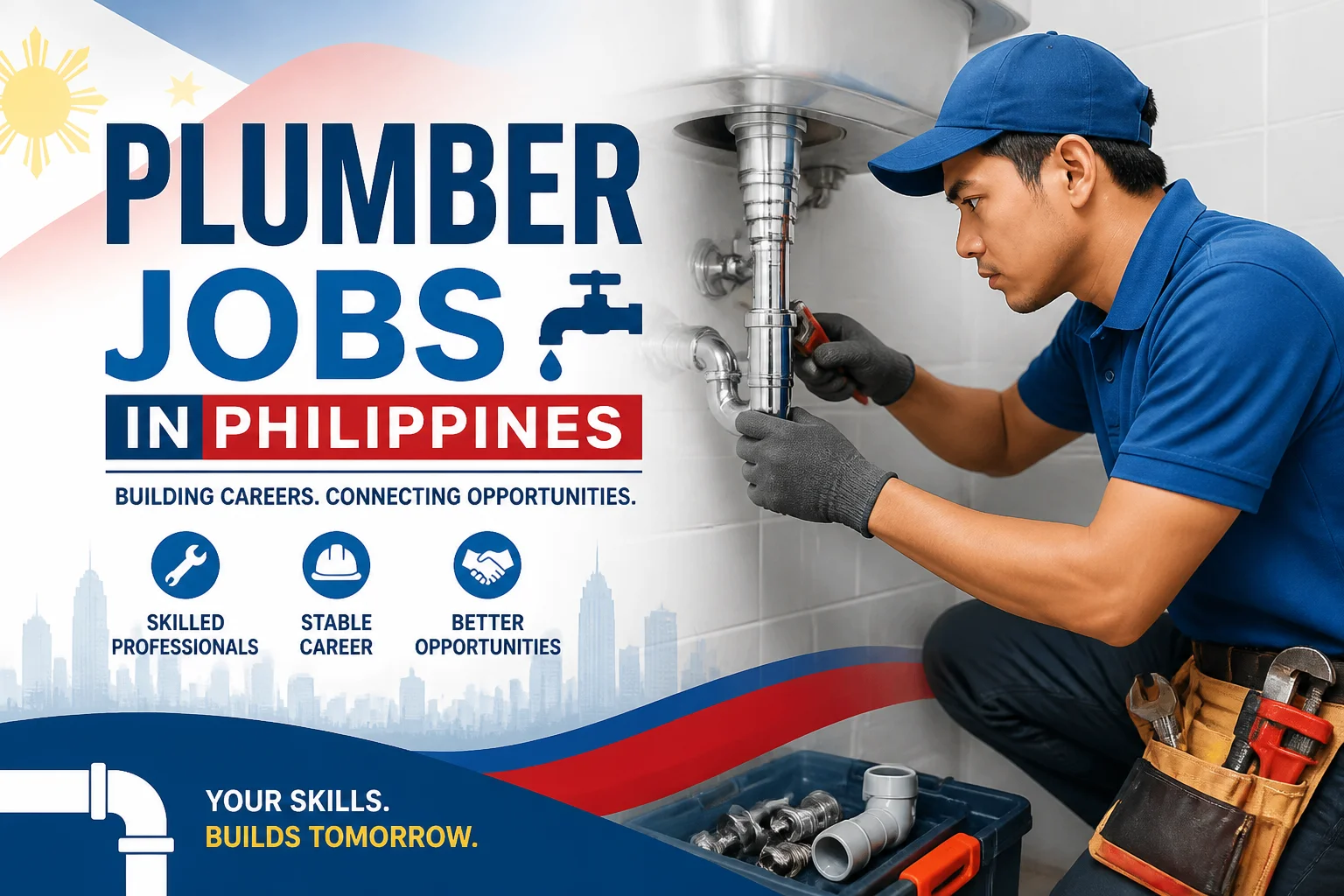
Thinking About Plumber Jobs in the Philippines?
Honestly, plumbing work here isn't what most people picture when they imagine a career. It's hands-on, sometimes messy, but there's always something to fix. From what I've seen in places like Manila and Cebu, good plumbers stay busy year-round.
People need water systems repaired constantly. New buildings keep popping up too. That means steady work if you're reliable.
What the day actually looks like
You might start early fixing a leaking pipe in a condo. By afternoon you're installing new fixtures at a small restaurant. Evenings could involve emergency calls for clogged drains. No two days match exactly.
Tools weigh a ton sometimes. You'll crawl under houses or climb up to rooftops. But once you know your stuff, jobs finish faster and you earn respect from clients.
Pay and benefits most plumbers get
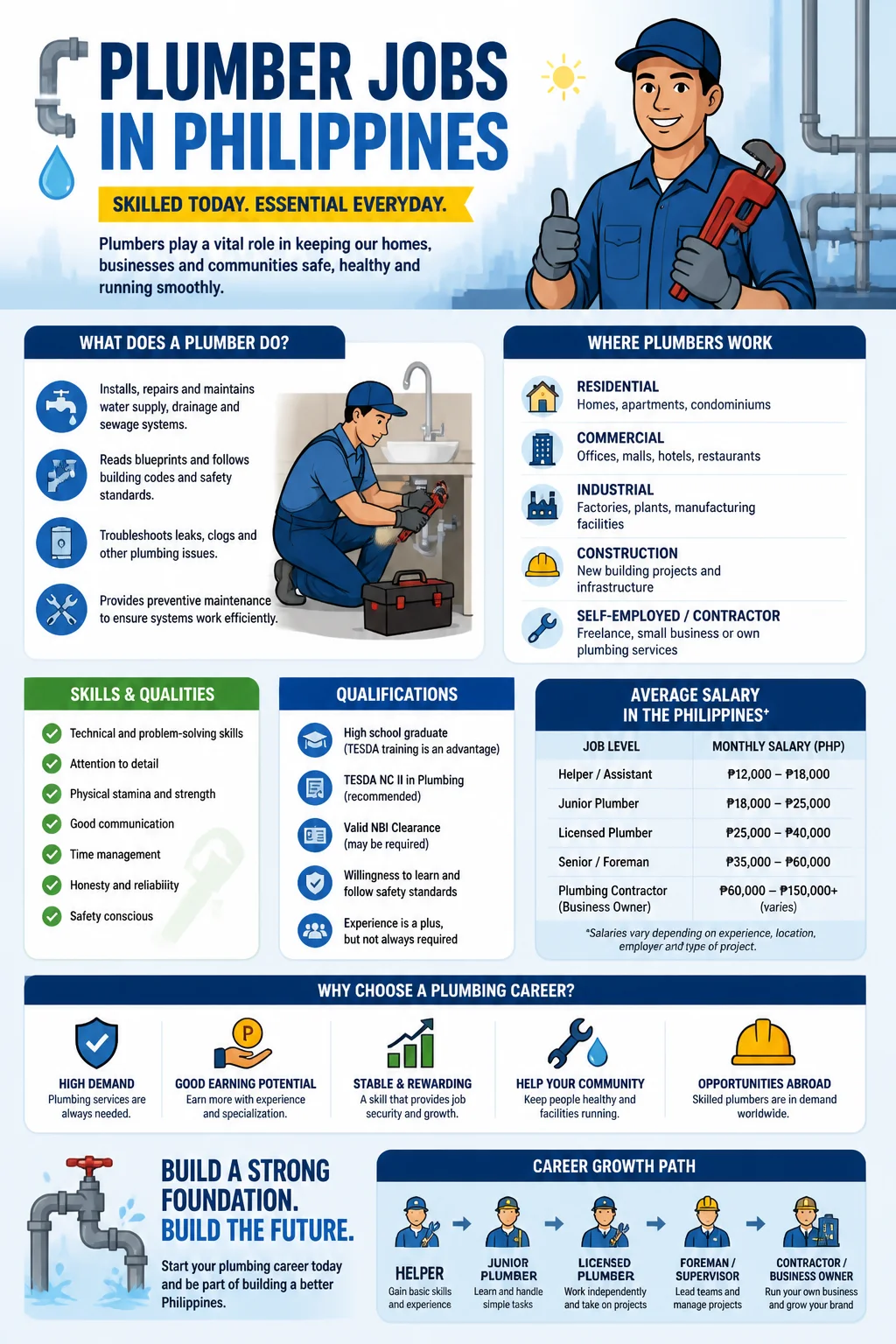
Entry level often starts around 15k to 20k pesos monthly. With experience and your own van or tools, many clear 30k to 45k. Some independent guys charge per job and pull in more during peak seasons.
Big companies in Metro Manila sometimes add health coverage or overtime. Not everywhere though. Freelance work can be better for take-home pay but you handle your own taxes and supplies.
Skills that actually matter
Basic pipe fitting comes first. Then reading simple blueprints helps a lot on construction sites. Knowing how to handle different materials like PVC versus copper separates average workers from the ones who get called back.
Customer service counts too. Homeowners get stressed during leaks. Staying calm and explaining things simply keeps them happy and leads to referrals.
How to land your first plumber job
Start with local Facebook groups or job sites listing plumbing positions. Many small shops hire through word of mouth, so ask around in your barangay. Vocational schools often post openings for graduates.
Having NC II certification from TESDA boosts chances fast. It shows you passed basic safety and technical checks. Without it, you might begin as a helper and learn on site.
Big construction firms post openings now and then. Check their sites or visit project locations directly with your resume. Smaller residential jobs come through apps or neighborhood postings.
Training options worth checking
TESDA centers offer short courses that run a few months. Some technical schools in Quezon City or Davao have evening classes if you're already working. Online videos help with theory but nothing beats practicing with real pipes.
Apprenticeships with established plumbers teach the tricks no book covers. Watch how they measure twice and deal with tricky angles in old houses.
Real talk on the downsides
Hours can stretch during typhoon season when floods hit. Physical strain builds up in your back and knees after years. Some areas have stiff competition from guys willing to work cheaper.
Still, if you like solving problems with your hands and seeing immediate results, it beats sitting at a desk all day. Many plumbers I know end up running their own small crews after a while.