


Getting Started with Restaurant Work in the UK
I've worked a few shifts here and there back when I lived in London. Restaurant jobs pop up everywhere from tiny cafes in Manchester to big chains in the city centre.
Pay varies a lot depending on where you land. Some places give you tips on top which makes a real difference at the end of the week.
Common Roles You See Advertised
Wait staff always seem in demand. Then there's kitchen porters who keep everything running behind the scenes. Chefs range from commis all the way up to head chef positions that pay better but come with longer hours.
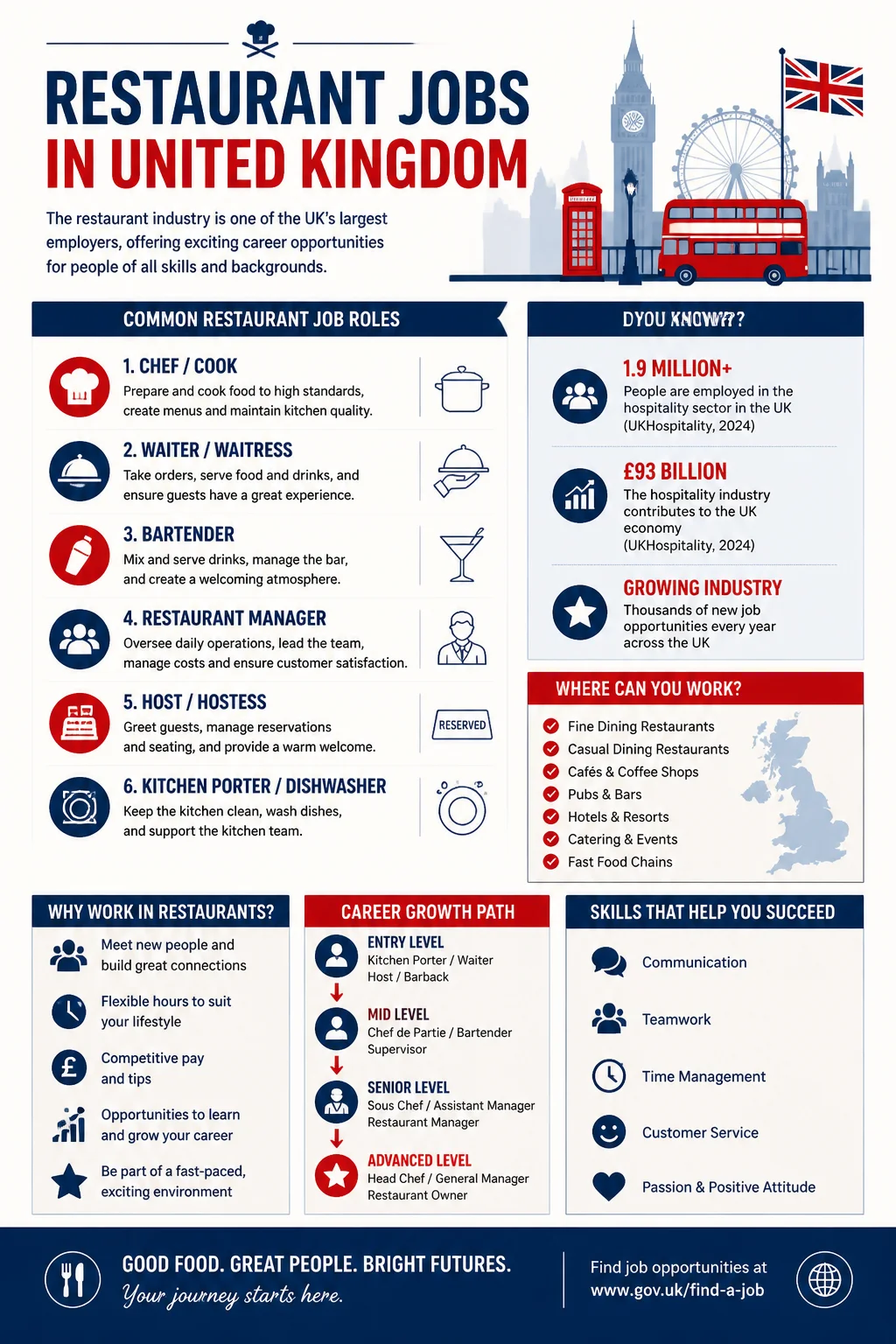
Front of house roles like supervisors or managers pop up when places expand or someone leaves. And don't forget bar staff in places that serve drinks alongside food.
Thing is most spots want experience but a few will train you on the job if you seem keen.
Where People Actually Find These Jobs
Indeed and Reed get mentioned a lot. Hospitality specific sites like Caterer.com also list loads every day. Local Facebook groups sometimes have direct postings from owners who don't want to pay agency fees.
Walking in with a CV still works in smaller towns. In bigger cities like Birmingham or Edinburgh though online applications are the norm now.
Recruitment agencies can speed things up if you're new to the scene. They know which restaurants are desperate for staff right away.
Honestly speaking seasonal work ramps up around summer and Christmas. That's when extra hands get hired fast.
Pay and Hours Breakdown
Minimum wage applies across the board but many places pay above it for experienced staff. A server might pull in around twelve quid an hour plus tips in a decent spot.
Kitchen roles often start lower. Head chefs in busy London restaurants can clear thirty five thousand a year though.
Shifts run long during peak times. Expect evenings and weekends. Some contracts offer overtime pay after certain hours.
From what I've seen the best money comes from busy tourist areas but the stress is higher too.
Visa Stuff If You're Not From Here
UK citizens have it easy obviously. Everyone else needs the right visa to work legally in restaurants. Skilled worker visas cover some chef positions but entry level waiting jobs usually don't qualify.
Students on visas can often work part time. Check the hours allowed though because breaking rules causes headaches later.
Seasonal worker schemes exist for certain periods but they're limited.
Big difference between legal and cash in hand work. One gives you rights the other can leave you stuck.
Interview Tips That Actually Help
Show up early. That's basic but people still mess it up. Dress neat even if the place is casual.
Know the menu before you go in if you can. Mention specific dishes and it shows you've done homework.
Be ready to talk about busy shifts you've handled before. They want to know you won't crack under pressure.
Ask questions back. Like how many covers they do on a Friday night. It makes you look interested not desperate.
Day to Day Realities
It's physical work. Lots of standing running around carrying plates. Your feet will hate you at first.
Teamwork matters more than anything. One person slacking off makes the whole shift harder for everyone.
Some restaurants treat staff well with free meals and flexible rotas. Others don't. You learn quick which ones to avoid.
Look for places that post staff reviews online. Glassdoor helps but word of mouth from other workers tells you more.
Not great when management changes and suddenly everything shifts. Happens more often than you'd think.
Building a Career Path
Start as waiter or porter then move up. Many managers began on the floor themselves.
Cooking schools help if you want to go the chef route. But hands on experience counts for more in most kitchens.
Networking at events or through colleagues opens doors to better gigs. That's how a lot of people switch restaurants without applying cold.
Some move into events catering or even open their own places later on.
Exactly. The hospitality world stays small so reputation follows you around.